How Climate Change Is Raising Home Insurance Costs in Palmetto & Cutler Bay

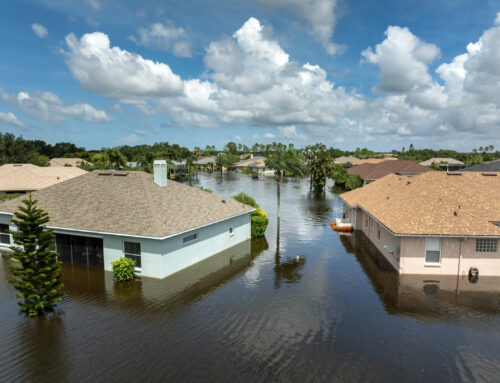
Homeowners across Palmetto Bay, Cutler Bay, and the surrounding Miami-Dade region are feeling the impact of climate change every year—especially when it comes to home insurance premiums. Rising global temperatures, stronger hurricanes, increased flooding, and shifting weather patterns are directly shaping how insurance carriers calculate risk. As the climate becomes more unpredictable, homeowners in South Florida are seeing higher premiums, stricter underwriting guidelines, and reduced coverage availability.
To better understand these changes, this article explains why climate change is driving up home insurance rates, how it affects residents in Palmetto Bay and Cutler Bay, and the steps you can take to protect both your home and your wallet.
Why Climate Change is Increasing Home Insurance Premiums
Insurance companies rely heavily on historical weather data to estimate the risk of future damage. However, climate change is rewriting the playbook. Events that used to occur once every 30–50 years are now happening every few years. As storms intensify and sea levels rise, insurers are adjusting premiums to keep up with escalating risks.
To understand the shift, it helps to break down the biggest climate-related factors influencing insurance costs.
Stronger, More Frequent Hurricanes
South Florida is no stranger to hurricanes, yet the storms of today are not the storms of 20 years ago. Warmer ocean temperatures now fuel more intense hurricanes, often producing stronger sustained winds, more destructive storm surges, and increased rainfall that causes inland flooding.
Because Palmetto Bay and Cutler Bay sit close to Biscayne Bay and other coastal areas, the exposure is especially high. Consequently, home insurance companies raise premiums to offset expected claims. This trend is particularly noticeable in hurricane-prone ZIP codes such as 33157, 33158, 33189, and 33190.
Sea-Level Rise and Increased Flooding
Climate-driven sea-level rise is already affecting communities across South Florida. Even moderate rainstorms now result in frequent street flooding, and king tides are pushing saltwater farther inland than ever before.
Many homes in Palmetto Bay and Cutler Bay fall within or near FEMA Flood Zones AE and VE, which automatically increases flood insurance premiums. Additionally, properties outside high-risk zones are being reevaluated because updated flood maps cannot keep up with rapid environmental changes.
With FEMA’s Risk Rating 2.0, flood insurance is now priced based on a home’s actual flood exposure—not just its zone. As a result, many homeowners are experiencing steady premium increases each year.
Higher Rebuilding Costs and Material Inflation
Because climate change increases the frequency of major weather events, the cost of rebuilding after a loss is climbing. The price of roofing materials, lumber, concrete, skilled labor, and hurricane-resistant construction supplies has risen significantly.
As rebuilding costs grow, insurance companies must increase dwelling coverage limits. Naturally, this raises premiums. The impact is especially noticeable in Miami-Dade, where strict hurricane building codes make construction more expensive.
Why Palmetto Bay and Cutler Bay Are Feeling the Impact More Than Other Areas
Although home insurance premiums are increasing across Florida, certain characteristics make Palmetto Bay and Cutler Bay more vulnerable than other regions.
Proximity to Biscayne Bay
Homes closer to the coastline face higher windstorm and flood risks.
Older Housing Stock
Many homes in these communities were built before modern hurricane-resilient building standards. Older roofs, outdated storm protections, and weaker structures drive premiums higher.
Localized Flooding Problems
Low-lying neighborhoods frequently experience flooding during heavy rainstorms, tropical disturbances, and king tides.
A Shrinking Insurance Market
As more insurance carriers exit Florida due to climate-related losses, fewer companies remain. Unfortunately, less competition usually means higher prices.
Insurance Companies Are Tightening Their Underwriting Guidelines
Because climate risk continues to grow, insurance companies are tightening their underwriting standards. In high-risk areas like Cutler Bay and Palmetto Bay, carriers may now require roofs under 15 years old, impact windows or hurricane shutters, updated wind-mitigation inspections, elevated foundations, and higher hurricane deductibles.
Some insurers will not cover properties that fail to meet these standards, pushing many homeowners toward Citizens Property Insurance, the state-backed insurer of last resort.
How Homeowners Can Reduce or Stabilize Rising Premiums
Even though you cannot control the weather, you can improve your home’s risk profile. These actions can help lower or stabilize your premiums:
Complete a Wind Mitigation Inspection
This inspection can lead to substantial discounts if your home includes impact windows, wind-resistant roofing, reinforced doors, and proper roof-to-wall attachments.
Upgrade Your Roof
A new Miami-Dade-approved roof can significantly reduce premiums and open the door to more insurance carrier options.
Elevate Outdoor Equipment
Raising air conditioners, water heaters, and electrical components helps reduce flood risk and prevents major losses.
Improve Drainage Around the Home
Better grading, French drains, and gutter systems reduce the likelihood of water intrusion during storms.
Work With a Local Independent Agency
A local agency such as Choice One Insurance understands South Florida’s climate challenges and can compare multiple carriers to find the most competitive rates.
Long-Term Outlook: Climate Change Will Continue Shaping Insurance Costs
As climate change continues accelerating, South Florida’s insurance landscape will keep evolving. Homeowners in Palmetto Bay, Cutler Bay, and the surrounding areas should expect higher premiums, more frequent underwriting reviews, rising flood insurance requirements, and increased prioritization of hurricane-resistant upgrades.
Ultimately, being proactive is the most effective strategy for protecting your home and financial security.