Ways to Reduce Insurance Costs in Florida City Without Losing Protection

Insurance costs are a concern for many Florida families. Between homeowners insurance, auto insurance, flood coverage, and other policies, it can feel like every renewal brings another reason to review your budget. But lowering your insurance costs does not always mean cutting important protection.
For Florida City residents, the better goal is simple: find smart savings without leaving yourself exposed. That means reviewing your policies, checking for available discounts, comparing options, and making sure your coverage still fits your home, vehicles, family, and financial risk.
Here are practical ways to look for insurance savings in Florida City without losing the protection you may need.
1. Review Your Policies Before Renewal
Many people wait until the renewal notice arrives before thinking about insurance. By then, the deadline may be close, and it can feel easier to accept the new premium instead of reviewing your options.
A better approach is to review your policies before renewal. Look at your homeowners insurance, auto insurance, flood insurance, umbrella policy, and any business or rental property coverage you may have. Ask whether your limits still make sense. Check whether the deductibles are still appropriate. Confirm that the people, vehicles, and property listed on the policy are correct.
Sometimes, policies continue year after year without being updated. If your situation has changed, your coverage may need to change too.
2. Ask About Bundling Options
Bundling can sometimes help reduce insurance costs. If you have home and auto coverage with separate carriers, it may be worth asking whether combining policies could create a discount. Some households may also benefit from bundling auto, umbrella, flood, or other related coverages when available.
Bundling is not always the cheapest option, but it is worth reviewing. The key is to compare the full picture, not just one policy. A lower auto premium may not help if it causes your homeowners coverage to become weaker or more expensive. The goal is to find the best balance between cost, convenience, and protection.
3. Review Your Deductibles Carefully
Choosing a higher deductible may lower your premium, but it also means you will pay more out of pocket if you file a claim. This is why deductible changes should be made carefully.
For homeowners, it is especially important to understand the difference between a standard deductible and a hurricane or windstorm deductible. For auto insurance, review collision and comprehensive deductibles and make sure they fit your budget.
A deductible should not just look good on paper. It should be an amount you could reasonably handle if something happened.
4. Look for Wind Mitigation Savings
In Florida, wind mitigation can be an important part of the insurance conversation. Certain home features may help reduce windstorm risk and may qualify for discounts depending on the carrier and policy. These features can include items such as roof shape, roof-to-wall connections, opening protection, secondary water resistance, and other storm-resistant improvements.
A wind mitigation inspection can help document these features. If your home has qualifying improvements, your insurance agent can help submit the proper information to the carrier for review.
For Florida City homeowners, this can be especially important because storm preparedness is a major part of responsible homeownership in South Florida.
5. Make Sure Your Home Details Are Accurate
Insurance pricing is based on many details about your home. If the information is outdated or incorrect, your premium may not reflect your actual situation.
Review details such as roof age, roof type, square footage, construction type, security features, plumbing updates, electrical updates, and storm protection. If you have recently made improvements, let your agent know. Some updates may affect eligibility, coverage options, or pricing.
Homeowners near South Dade communities, including areas around Gateway and the Everglades corridor, should also review property-specific risk factors carefully. Location, elevation, storm exposure, and building details can all affect the insurance conversation.
6. Avoid Reducing Coverage Just to Save Money
When premiums rise, it can be tempting to lower coverage limits or remove important protection. But this can create a larger problem later.
For example, reducing dwelling coverage too much could leave you underinsured after a major home loss. Dropping liability protection could expose your personal assets if someone is injured and files a claim. Skipping flood insurance may leave you with a serious gap if rising water damages your property.
A lower premium is helpful only if the policy still protects you in the situations that matter most.
7. Compare Carrier Options
One advantage of working with an independent insurance agency is access to multiple carriers. Instead of being limited to one company, you can compare available options based on your needs.
This does not mean you should choose the lowest price automatically. The right policy should also include reliable coverage, appropriate limits, deductibles you understand, and support when you have questions.
For Florida City families, comparing options can be especially useful when home values, vehicle needs, flood risk, and household budgets are all changing.
8. Review Auto Insurance Discounts
Auto insurance discounts can vary by carrier, but it is worth checking for opportunities. Depending on the situation, drivers may be able to review discounts related to safe driving, multi-car policies, defensive driving courses, paperless billing, automatic payments, vehicle safety features, or combining auto with other policies.
Also review who is listed on the policy, how vehicles are used, and whether coverage levels still make sense. If a vehicle is older, your agent can help you think through whether collision or comprehensive coverage still fits your needs.
9. Do Not Forget Flood Insurance
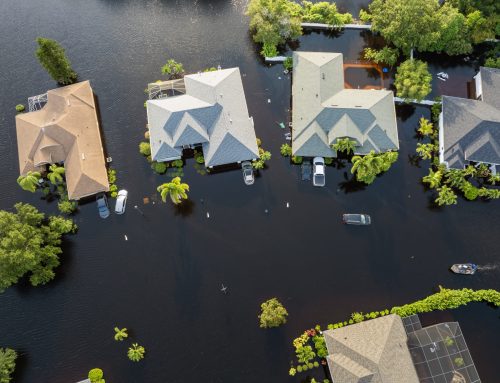
Flood insurance is often separate from homeowners insurance. Many homeowners do not realize this until they review their policy or face a water-related loss.
Even if flood insurance adds another premium, it may protect you from a much larger financial setback. The goal is not only to reduce what you pay today. It is to protect your finances from events that could be much more expensive than the policy itself.
In Florida City and surrounding South Florida communities, flood coverage should be reviewed as part of the overall insurance plan.
10. Work With an Agent Who Reviews the Whole Picture
Insurance savings should not be handled one policy at a time. Your home, auto, flood, umbrella, rental, and business policies may all connect to your financial risk.
A local insurance advisor can help review the whole picture. They can look for discounts, compare carriers, identify possible gaps, and help you decide where saving money makes sense and where protection should remain strong.
Areas We Serve
Choice One Insurance helps families, homeowners, drivers, and businesses across Florida City and nearby South Florida communities review their insurance options and make informed coverage decisions.
Final Thoughts
Reducing insurance costs is possible, but it should be done carefully. The best strategy is not to cut protection at random. It is to review your policies, confirm your information, explore discounts, compare carriers, and make sure your coverage still fits your real needs.
If you are looking for insurance savings in Florida City, Choice One Insurance can help you review your options and look for ways to lower insurance premiums in Florida without giving up important protection.
Frequently Asked Questions
How can I reduce my insurance costs in Florida City?
You can start by reviewing your policies before renewal, asking about discounts, comparing carrier options, checking your deductibles, and making sure your home and auto information is accurate.
Does bundling home and auto insurance always save money?
Not always, but it is worth reviewing. Bundling can sometimes reduce costs, but the full coverage picture should be compared before making a decision.
Can a wind mitigation inspection lower my homeowners insurance premium?
It may help if your home has qualifying features. A wind mitigation inspection documents storm-resistant features that may be reviewed by your insurance carrier for possible discounts.
Should I raise my deductible to lower my premium?
Raising a deductible may lower your premium, but it also increases what you pay out of pocket after a claim. It should be an amount you can reasonably afford.
Is flood insurance included in homeowners insurance?
In most cases, flood insurance is separate from homeowners insurance. Homeowners should review whether separate flood coverage makes sense for their property.
What insurance discounts should Florida City drivers ask about?
Drivers can ask about safe driver discounts, multi-car discounts, defensive driving courses, automatic payments, paperless billing, vehicle safety features, and bundling options.
Is the cheapest insurance policy the best option?
Not always. The cheapest policy may have lower limits, higher deductibles, or missing coverage. It is important to compare both price and protection.
How often should I review my insurance policies?
At least once a year, and anytime you move, renovate, buy a vehicle, add a driver, start a business, buy rental property, or experience a major life change.
Visit Our Other Interesting Pages
- Auto insurance
- Homeowners insurance
- Car insurance inflation costs in Miami, Palmetto Bay & South Miami
- Choice One Insurance
- Affordable auto insurance in South Miami Heights