What Homeowners in Cutler Bay Should Review Before Renewal

-
Automatically renewing your homeowners insurance without reviewing the policy can leave you with outdated limits, unexpected deductibles, or gaps in protection.
Over time, homes change. For example, construction costs rise, homeowners renovate kitchens, replace roofs, purchase valuable property, or install storm-protection features. Consequently, your insurance coverage should keep pace with those changes.
For homeowners in Cutler Bay, Saga Bay, Lakes by the Bay, and surrounding South Miami-Dade communities, renewal provides an ideal opportunity to review coverage.
By reviewing your policy before renewal, you can help ensure that it still reflects your home, belongings, and current insurance needs.
Review the Dwelling Coverage Limit
Dwelling coverage can help repair or rebuild your home after a covered loss. However, policy terms, limits, exclusions, and deductibles determine how the coverage applies.
When reviewing your policy, do not base your dwelling limit solely on your home’s market value, property tax assessment, or remaining mortgage balance.
Instead, consider the actual cost of rebuilding your home.
Rebuilding costs include labor, construction materials, demolition, debris removal, building requirements, and other expenses. Therefore, these costs can differ significantly from the property’s market value.
Florida’s Department of Financial Services advises homeowners to evaluate how much insurance they need to rebuild their residence and replace their belongings.
Update Your Coverage After Home Improvements
Major renovations or additions can increase your home’s replacement cost.
For example, a remodeled kitchen, enclosed patio, new bathroom, upgraded flooring, or expanded living area may increase rebuilding expenses.
Additionally, changes to construction materials and labor costs can affect the amount of insurance needed.
Therefore, tell your insurance agent about major improvements before renewing your homeowners insurance.
Understand the Hurricane Deductible
A homeowners policy may contain several deductibles.
For example, the standard deductible may apply to certain losses, while a separate hurricane deductible may apply when hurricane provisions take effect.
Insurance companies frequently express hurricane deductibles as a percentage of the dwelling coverage limit instead of a flat dollar amount.
Consequently, a percentage-based deductible can create a substantial out-of-pocket expense when applied to the home’s full insured value.
Florida consumer insurance guidance recommends discussing each deductible with your agent. In addition, homeowners should understand how hurricane, sinkhole, and other deductibles could affect a claim.
Questions to Ask About Your Deductibles
Before renewal, ask:
-
What is the standard deductible?
-
What is the hurricane deductible?
-
Does the policy use a percentage or fixed hurricane deductible?
-
Does the policy have separate deductibles for water damage or other losses?
-
How much would each deductible cost me in actual dollars?
Although a lower premium may seem attractive, it may come with a higher deductible.
Therefore, decide whether the premium savings justify the additional amount you could pay after a loss.
Check the Roof Information on Your Policy
The roof plays an important role in Florida insurance underwriting.
For example, insurance companies may consider the roof’s age, material, condition, remaining useful life, installation permits, and previous repairs.
Additionally, policy terms and applicable requirements can determine whether an insurer calculates a roof claim using replacement cost or actual cash value.
Therefore, confirm that your insurance company has accurate information about your roof.
Provide Updated Roof Documentation
If you replaced or substantially improved your roof, send the insurer available documentation.
Supporting documents may include:
-
Building permits.
-
Paid contractor invoices.
-
Photographs.
-
Inspection reports.
-
Contractor records.
Furthermore, make sure your insurance agent knows about any substantial roof improvements.
Incorrect or outdated roof information could affect eligibility, pricing, or the insurer’s renewal decision.
Review Wind-Mitigation Features and Discounts
Wind-resistant construction features can improve a home’s performance during severe weather.
Additionally, certain features may qualify the property for insurance credits.
A wind-mitigation inspection may document:
-
Roof-to-wall connections.
-
Roof-deck attachment.
-
Roof shape.
-
Secondary water resistance.
-
Impact-rated windows or shutters.
-
Exterior door protection.
-
Garage-door protection.
Florida’s Office of Insurance Regulation offers consumer resources about wind-mitigation inspections. It also explains how homeowners can submit updated mitigation information to insurers.
Submit Updated Wind-Mitigation Information
If you completed improvements, verify that your insurer has your newest inspection and supporting documents.
For example, installing impact-rated windows or upgrading roof connections may change the property’s documented mitigation features.
However, insurance companies generally require proper documentation before applying qualifying mitigation discounts.
Therefore, ask your agent whether your current wind-mitigation report reflects all eligible improvements.
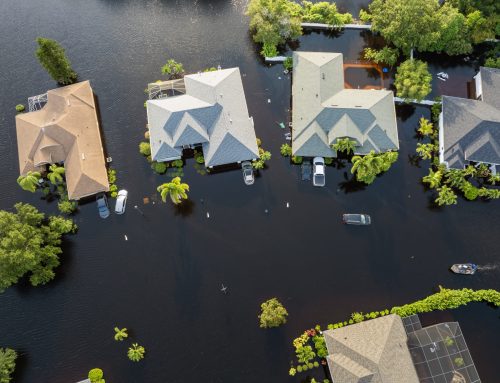
Do Not Assume Homeowners Insurance Covers Flooding
Standard homeowners insurance generally does not cover damage from flooding.
Instead, homeowners can purchase separate flood insurance through the National Flood Insurance Program or certain private insurers.
FEMA states that most homeowners policies do not cover flood damage. Additionally, the agency encourages property owners to consider flood insurance even when their lender does not require it.
Cutler Bay homeowners should consider more than their property’s designated flood zone.
For example, heavy rain, drainage problems, storms, and water accumulation can affect homes outside traditionally identified high-risk areas.
Review Your Flood Insurance Before Renewal
During your renewal review, ask:
-
Do I currently have flood insurance?
-
Do I have enough building coverage?
-
Does my policy cover personal belongings?
-
Does the NFIP or a private carrier provide my coverage?
-
Does the policy have waiting periods or separate deductibles?
-
Has my property’s flood-zone information changed?
Additionally, compare your flood insurance with your homeowners policy.
Understanding both policies can help you determine which coverage may apply to different types of water damage.
Examine Water-Damage Coverage
Insurance companies do not treat every type of water damage the same way.
For example, coverage can depend on the source of the water and whether the event occurred suddenly or gradually.
Additionally, plumbing conditions, policy exclusions, endorsements, and coverage limitations can affect a claim.
Different situations may include:
-
A sudden pipe rupture.
-
A leaking appliance connection.
-
A plumbing backup.
-
Water entering after storm damage.
-
Long-term seepage.
-
Flooding from rising surface water.
Although these situations all involve water, an insurance policy may treat each one differently.
Ask About Water-Damage Exclusions
Before renewing, ask your agent about limitations involving water damage, mold, plumbing losses, drain backups, and older pipes.
Additionally, ask whether the insurer offers optional endorsements for risks that the standard policy does not fully address.
For example, certain water-backup risks may require additional coverage.
Therefore, understanding the policy’s exclusions can help you identify potential gaps before a loss occurs.
Update Your Personal Property Coverage
Homeowners insurance may help protect furniture, electronics, clothing, appliances, and other belongings after a covered loss.
However, your personal property coverage should reflect what you currently own.
Use the renewal period to update your home inventory.
First, walk through your house and document major belongings. Next, take photographs or videos and record model numbers.
Additionally, keep receipts and written descriptions when possible.
Review Coverage for Valuable Belongings
Pay particular attention to valuable items such as:
-
Jewelry.
-
Fine art.
-
Collectibles.
-
Musical instruments.
-
Firearms.
-
High-end electronics.
-
Business equipment.
-
Specialized sporting equipment.
Standard policies often place special limits on certain categories of valuable property.
Consequently, higher-value items may require scheduled personal property coverage or a separate endorsement.
Understand How Your Belongings Are Valued
You should also determine how your policy values your belongings.
Actual cash value generally accounts for depreciation.
In contrast, replacement-cost coverage may help pay for a comparable new item, subject to the policy’s terms and limits.
Therefore, review both your personal property limits and the valuation method before renewing.
Evaluate Personal Liability Limits
Homeowners insurance usually includes personal liability protection.
This coverage may help if an insured household member becomes legally responsible for certain injuries or property damage involving another person.
For example, common liability exposures include visitors, children, pets, swimming pools, recreational equipment, and activities away from the residence.
As your household circumstances change, your liability exposure may also change.
Therefore, review your liability limits when your household circumstances or assets change.
Consider Additional Liability Protection
Homeowners with greater liability exposure can also consider a personal umbrella policy.
Umbrella insurance can provide additional liability limits above qualifying home and auto policies.
However, its terms and exclusions determine the extent of protection.
Consequently, homeowners should review both their underlying insurance policies and any additional liability coverage.
Discuss Pools, Fences, Pets, and Outdoor Features
Many Cutler Bay homes have swimming pools, screened enclosures, detached structures, sheds, fences, trampolines, outdoor kitchens, boats, or other features.
These items can affect both property and liability exposure.
For example, adding a swimming pool or detached structure may change your insurance needs.
Therefore, tell your insurance agent about significant additions or changes.
Do not assume your policy automatically covers a structure simply because it sits on the insured property.
Confirm Coverage for Outdoor Structures
Before renewal, confirm:
-
Whether detached structures have adequate limits.
-
Whether the policy covers screened pool enclosures.
-
Whether fences have special limitations.
-
Whether your pool meets underwriting requirements.
-
Whether a pet could create an eligibility concern.
-
Whether boats or recreational vehicles require separate insurance.
Additionally, provide updated information about significant property improvements.
Accurate information can help reduce problems during underwriting, renewal, or a future claim.
Confirm Ordinance or Law Coverage
Building codes change over time.
After significant damage, current codes may require you to rebuild portions of your home differently than when builders originally constructed it.
Consequently, rebuilding expenses may include additional costs associated with complying with current building requirements.
Ordinance or law coverage may help with certain additional expenses required to comply with current building codes after a covered loss.
This coverage can be especially important for older homes or properties that have undergone several renovations.
Therefore, ask your agent how much ordinance or law coverage your policy provides.
Additionally, ask whether the insurer offers higher limits.
Review Loss-of-Use Coverage
A covered loss can sometimes make a home temporarily uninhabitable.
During this period, additional living expense or loss-of-use coverage may help with certain increased living costs while you cannot occupy your home.
For example, these expenses can include temporary housing, additional meal costs, storage, and other necessary expenses.
However, policy limits and time restrictions apply.
Compare Coverage With Current Living Costs
Find out how your policy calculates loss-of-use protection.
For example, the insurer may use a specific dollar amount, a percentage of dwelling coverage, or a defined time period.
Additionally, major storms can create widespread property damage across South Florida.
When that happens, repairs may take longer.
Therefore, compare your available loss-of-use limit with current housing and living costs.
Confirm Occupancy and Property Use
Your insurance policy should accurately reflect how you occupy and use the property.
For example, tell your agent if you use the home as:
-
An owner-occupied residence.
-
A seasonal residence.
-
A property that remains vacant for extended periods.
-
A short-term rental.
-
A tenant-occupied rental.
-
A property under renovation.
-
A location for a home-based business.
Changes in occupancy can affect both eligibility and coverage.
For example, a standard owner-occupied homeowners policy may not properly address the risks of a rental property, vacant home, or residence with extensive business activity.
Review Home-Based Business Coverage
Home-based business owners should review their equipment, inventory, customer visits, and professional liability risks.
Although homeowners insurance may provide some protection, a standard policy may offer only limited coverage for business property or business-related claims.
Therefore, discuss your business activities with your insurance agent.
Depending on the business, additional coverage or a separate policy may be necessary.
Read Every Renewal and Nonrenewal Notice
Read every notice your insurance company sends you.
A renewal offer can contain changes to premiums, coverage limits, deductibles, exclusions, endorsements, inspections, or underwriting requirements.
Therefore, do not assume that your renewed policy contains exactly the same coverage as the previous year.
Understand Nonrenewal Notices
A nonrenewal means the insurer plans to end the policy when its current term expires.
Florida’s Department of Financial Services explains that insurers generally must give homeowners a specific reason for nonrenewal.
Additionally, in many circumstances, insurers must provide advance written notice.
If you receive a nonrenewal notice, contact your insurance agent promptly.
Respond to Insurance Company Requests
Respond quickly when your insurance company requests:
-
An inspection.
-
Roof documentation.
-
Property repairs.
-
Photographs.
-
Occupancy information.
-
Proof of mitigation features.
For example, providing updated roof documentation may help resolve questions about the property’s condition.
However, waiting until the final days before expiration gives you less time to correct information or compare other insurance options.
Therefore, begin reviewing your renewal documents as soon as they arrive.
Homeowners Insurance Reviews in Cutler Bay
Homes throughout Cutler Bay, Saga Bay, Lakes by the Bay, and surrounding South Miami-Dade communities face several risks.
These include wind, rain, flooding, property damage, and liability exposures.
Consequently, a Florida home insurance review should look beyond the renewal premium.
Instead, review your home’s current replacement cost, construction features, roof information, personal belongings, deductibles, occupancy, and other potential risks.
Request a Homeowners Insurance Review
Choice One Insurance can help homeowners review their current policies, identify important questions, and compare available coverage options.
Additionally, reviewing coverage before renewal can help you identify outdated information or potential gaps in protection.
Contact Choice One Insurance to request a homeowners insurance review before your next renewal.
Website: www.choiceoneinsurance.net
Phone: 305-252-1873
Frequently Asked Questions About Homeowners Insurance
When Should I Review My Homeowners Insurance Renewal?
Start reviewing your policy as soon as you receive the renewal documents.
Starting early gives you more time to correct property information and gather inspections.
Additionally, you can evaluate deductible options and compare available policies.
Why Did My Homeowners Insurance Premium Change?
Several factors can affect your premium.
For example, these include carrier rates, replacement costs, property characteristics, roof information, claims history, deductibles, and coverage changes.
Additionally, mitigation credits and broader insurance-market conditions can affect the price.
Does Homeowners Insurance Cover Flood Damage in Cutler Bay?
Standard homeowners insurance generally does not cover flooding from rising surface water.
Therefore, you may need separate flood insurance through the National Flood Insurance Program or a private flood insurer.
Additionally, review your flood insurance limits to determine whether they reflect your current needs.
What Is the Difference Between Market Value and Replacement Cost?
Market value reflects what a property may sell for. For example, it includes factors such as the land and location.
In contrast, replacement cost estimates how much it could cost to rebuild the insured structure using current labor and materials.
Therefore, the two values can differ significantly.
Should I Get a New Wind-Mitigation Inspection?
Consider a new inspection after a roof replacement, window upgrade, shutter installation, garage-door improvement, or other qualifying change.
Additionally, ask your insurer how long it will accept your existing inspection.
An updated inspection may help document qualifying improvements.
Does Replacing My Roof Automatically Lower My Premium?
Not necessarily.
A newer roof may improve eligibility or affect pricing. However, insurers do not guarantee a premium reduction.
Instead, the result depends on the insurance company, roof material, construction details, inspection documentation, and other underwriting factors.
Are My Valuables Fully Covered by Homeowners Insurance?
Not necessarily.
Policies often place special limits on jewelry, art, collectibles, electronics, and other categories.
Consequently, you may need to schedule valuable items separately or add additional coverage.
Therefore, review your personal property limits before renewal.
Do I Need to Report Renovations to My Insurance Company?
Yes.
Tell your insurer about additions, remodeled rooms, upgraded kitchens, new bathrooms, pools, detached structures, and other major improvements.
These changes can affect your home’s replacement cost and insurance needs.
Additionally, updated property information can help ensure that your policy reflects the home’s current condition.
What Happens if My Insurer Sends a Nonrenewal Notice?
Read the stated reason immediately and contact your insurance agent.
For example, you may need to provide documents, complete repairs, or correct inaccurate property information.
Additionally, you may need to compare replacement coverage before your current policy expires.
Therefore, address nonrenewal notices promptly rather than waiting until the final days of coverage.
Visit Our Other Interesting Pages
-