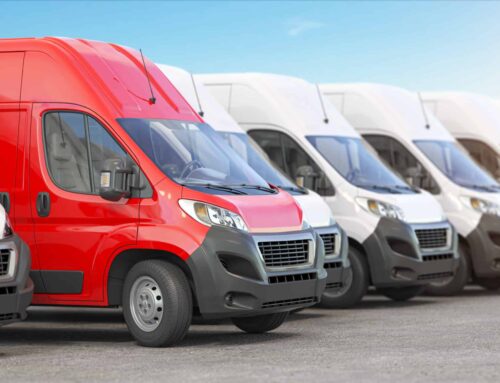
Commercial Truck Insurance in Miami, FL

Operating a trucking business in Miami requires more than dependable vehicles and experienced drivers. In addition, protecting your vehicles and business operations is essential for long-term success.
Whether you own a single box truck, operate a delivery service, or manage a fleet, unexpected accidents can create significant financial challenges. Therefore, having appropriate commercial truck insurance is an important part of managing business risks.
Commercial truck insurance in Miami helps trucking businesses protect against covered losses involving accidents, vehicle damage, liability claims, and other unexpected events.
At Choice One Insurance, we help South Florida business owners explore commercial insurance solutions. Furthermore, our team helps businesses evaluate coverage options based on their vehicles, operations, and financial needs.
What Is Commercial Truck Insurance?
Commercial truck insurance is a specialized type of business vehicle insurance designed for trucks used in commercial activities.
Unlike personal auto insurance, commercial trucking policies address risks associated with transporting goods, operating heavy vehicles, and making business deliveries.
Additionally, coverage requirements depend on several factors, including vehicle weight, cargo type, and operating territory.
For example, a local delivery company in Miami may have different insurance needs than a trucking business transporting freight across state lines.
Therefore, businesses operating in Kendall, Homestead, Coral Gables, and surrounding communities should evaluate their insurance needs before putting commercial trucks on the road.
Types of Commercial Truck Insurance Coverage
Choosing appropriate coverage helps protect your business against expensive accidents and unexpected financial obligations.
However, different insurance policies address different risks associated with commercial trucking operations. As a result, business owners should understand their coverage options before selecting a policy.
1. Primary Liability Insurance
Primary liability insurance generally covers bodily injury and property damage that an insured trucking business causes to others in a covered accident.
For example, if a commercial truck causes an accident that damages another vehicle, primary liability insurance may help cover eligible claims.
Additionally, commercial trucking businesses may be subject to state or federal liability insurance requirements. Therefore, reviewing applicable coverage limits is essential.
2. Physical Damage Coverage
Physical damage insurance helps protect commercial trucks against covered losses.
In particular, this protection is important for businesses that depend on expensive vehicles for daily operations.
Common coverage options include:
- Collision coverage: Helps pay for damage resulting from covered collisions with vehicles or objects.
- Comprehensive coverage: Helps cover certain non-collision losses, including theft, vandalism, fire, and covered weather-related damage.
Furthermore, physical damage coverage can be important for businesses operating financed commercial vehicles.
As a result, business owners should consider both vehicle value and potential repair expenses when evaluating coverage.
3. Motor Truck Cargo Insurance
Motor truck cargo insurance helps protect goods transported by commercial trucks against certain covered losses.
For example, a delivery company transporting merchandise throughout Miami-Dade County may need protection against cargo theft or damage.
However, coverage limits and exclusions vary depending on the insurance carrier and cargo type.
Therefore, business owners should carefully review cargo insurance options before transporting valuable merchandise.
4. General Liability Insurance
Commercial trucking general liability insurance may help protect against certain business-related claims outside the operation of an insured vehicle.
For instance, qualifying third-party injuries or property damage associated with business premises may be covered.
However, general liability insurance does not replace commercial auto liability coverage.
Consequently, trucking businesses may need multiple types of insurance to address different operational risks.
5. Non-Trucking Liability Insurance
Certain owner-operators working under motor carrier arrangements may need non-trucking liability insurance.
Generally, this coverage may apply to specified personal or non-business uses of a commercial truck.
However, coverage depends on policy terms, exclusions, and the circumstances surrounding vehicle use.
Therefore, owner-operators should review their motor carrier agreements and insurance requirements carefully.
What Types of Commercial Trucks Can Be Insured?
Commercial truck insurance may be available for many types of business vehicles.
However, eligibility depends on the insurance carrier, vehicle classification, and business operations.
Additionally, different trucks may require different coverage options based on their intended use.
Common Commercial Trucks Eligible for Coverage
Commercial trucking policies may cover:
- Box trucks and moving trucks
- Delivery trucks and distribution vehicles
- Semi-trucks and tractor-trailers
- Flatbed trucks
- Dump trucks
- Tow trucks
- Refrigerated trucks
- Certain specialized commercial vehicles
Each vehicle presents different operational risks. Consequently, insurance premiums and coverage requirements can vary.
For example, a local delivery truck operating throughout Miami may require different coverage than a tractor-trailer transporting freight across multiple states.
Therefore, selecting insurance based on your specific vehicle and business activities is important.
How Much Does Commercial Truck Insurance Cost in Florida?
The cost of commercial truck insurance in Florida varies depending on the vehicle, business operations, and insurance coverage selected.
Because trucking businesses operate differently, insurance companies evaluate each applicant based on individual risk factors.
Furthermore, insurance premiums may change depending on driving history, cargo type, and operating territory.
Factors That Affect Commercial Truck Insurance Rates
Insurance carriers generally consider several factors when calculating premiums.
- Vehicle type and value: Larger or more expensive commercial trucks may cost more to insure.
- Driving history: Accidents and traffic violations can affect insurance rates.
- Operating radius: Long-distance trucking may involve different risks than local deliveries.
- Cargo type: Valuable, hazardous, or specialized freight may require additional protection.
- Coverage limits: Higher liability limits can increase insurance premiums.
- Business experience: Operating history and previous claims may influence pricing.
- Number of vehicles: Businesses operating multiple trucks may qualify for different policy arrangements.
Additionally, the number of drivers and their experience can affect insurance costs.
As a result, requesting a personalized quote is the best way to evaluate potential insurance expenses.
How to Find Competitive Commercial Truck Insurance Rates
Comparing commercial truck insurance options can help business owners evaluate available coverage and pricing.
First, identify the coverage required for your operations.
Next, review deductibles, liability limits, and available optional protections.
Additionally, consider whether your business needs cargo insurance or physical damage protection.
Finally, request a personalized commercial truck insurance quote based on your vehicles and business activities.
By working with an independent insurance agency, you can compare available options and identify potential coverage gaps.
Commercial Truck Insurance Requirements in Florida
Florida trucking businesses must comply with applicable insurance and financial responsibility requirements.
However, specific requirements depend on vehicle weight, cargo, business classification, and operating territory.
Furthermore, businesses operating across state lines may face additional federal regulations.
Florida Commercial Truck Insurance Considerations
Trucking businesses operating exclusively within Florida may be subject to state financial responsibility requirements.
For example, coverage obligations can vary depending on vehicle characteristics and the type of transportation performed.
Therefore, business owners should verify the requirements applicable to their operations before purchasing insurance.
Federal Trucking Insurance Requirements
Interstate motor carriers may also be subject to Federal Motor Carrier Safety Administration (FMCSA) regulations.
For example, certain federally regulated interstate property carriers operating vehicles with a gross vehicle weight rating of 10,001 pounds or more generally must maintain at least $750,000 in public liability coverage for nonhazardous property transportation.
Additionally, different requirements may apply to hazardous materials, passenger transportation, and other regulated operations.
Consequently, trucking businesses should confirm applicable federal and state requirements before selecting insurance coverage.
Why Commercial Truck Insurance Matters in Miami
Miami is an important transportation and logistics market.
For example, commercial trucks regularly serve ports, warehouses, construction companies, retailers, and delivery businesses throughout South Florida.
Additionally, trucking operations frequently encounter heavy traffic, congested highways, severe weather, and demanding delivery schedules.
As a result, having appropriate insurance protection is an important consideration for local trucking businesses.
Protecting Your Trucking Business Against Financial Losses
An unexpected commercial truck accident can result in significant expenses.
For instance, potential financial consequences include:
- Commercial vehicle repairs
- Third-party bodily injury claims
- Property damage liability
- Cargo losses
- Business interruptions
- Legal expenses associated with covered claims
Furthermore, an accident involving a commercial delivery truck may lead to vehicle repairs and liability claims.
Therefore, appropriate insurance coverage helps businesses manage covered financial risks.
Supporting Long-Term Business Operations
Commercial trucks are essential assets for many South Florida businesses.
When a truck becomes damaged or unavailable, daily operations may be disrupted.
However, standard commercial truck insurance does not automatically cover every business interruption.
Instead, certain optional protections may help address specific covered losses.
Consequently, reviewing available coverage options can support long-term business planning.
How to Choose the Right Commercial Truck Insurance
Choosing commercial truck insurance starts with understanding your business operations.
First, evaluate the number of vehicles you operate and their approximate value.
Next, consider your drivers, cargo, operating territory, and transportation activities.
Additionally, review the coverage requirements associated with your business operations.
Review Your Commercial Truck Insurance Needs
Before selecting coverage, consider the following questions:
- How many commercial trucks does your business operate?
- What types of goods do your vehicles transport?
- Do your trucks operate locally or across state lines?
- What liability limits are required?
- Do you need physical damage or cargo protection?
- Are additional coverage options necessary?
By answering these questions, business owners can identify appropriate insurance options.
Furthermore, understanding your operational risks can help you avoid unnecessary coverage gaps.
Compare Coverage Options and Policy Terms
Insurance policies may differ in coverage limits, deductibles, exclusions, and eligibility requirements.
Therefore, comparing policies involves more than reviewing monthly premiums.
Additionally, working with an independent insurance agency can help identify available options and potential coverage gaps.
Ultimately, selecting suitable insurance helps protect your business against covered financial losses.
Get a Commercial Truck Insurance Quote in Miami
Whether you operate a single delivery truck or manage multiple commercial vehicles, having suitable insurance is an important part of protecting your business.
At Choice One Insurance, we help South Florida business owners explore commercial truck insurance solutions based on their specific needs.
Furthermore, our team can help you compare available coverage options for your commercial vehicles.
Commercial Truck Insurance Throughout South Florida
We serve trucking businesses and commercial vehicle owners throughout:
- Miami
- Kendall
- Pinecrest
- Palmetto Bay
- Cutler Bay
- Homestead
- Coral Gables
- Surrounding Miami-Dade communities
Additionally, our team can help you explore commercial insurance options based on your vehicles, business activities, and financial needs.
Frequently Asked Questions About Commercial Truck Insurance
1. Is Commercial Truck Insurance Required in Florida?
Commercial trucking businesses must meet applicable financial responsibility requirements.
However, specific insurance requirements depend on vehicle characteristics, cargo, business operations, and whether the truck operates within Florida or across state lines.
Therefore, business owners should verify their requirements before purchasing coverage.
2. How Much Does Commercial Truck Insurance Cost in Miami?
Commercial truck insurance premiums depend on several factors, including vehicle type, driving history, operating radius, cargo, coverage limits, and business experience.
Additionally, the number of drivers and vehicles can affect overall insurance expenses.
Therefore, requesting a personalized quote is the best way to determine potential insurance costs.
3. Does Commercial Truck Insurance Cover Box Trucks?
Yes. Commercial truck insurance can cover eligible box trucks used for deliveries, moving services, and other business activities.
Furthermore, available protections may include liability, physical damage, and cargo insurance, depending on the policy.
4. Can I Insure Multiple Commercial Trucks Under One Policy?
Yes. Some insurance companies offer commercial fleet policies covering multiple eligible vehicles.
However, availability and pricing depend on the number of trucks, drivers, and business operations.
As a result, comparing fleet insurance options may help businesses evaluate suitable coverage.
5. Does Commercial Truck Insurance Cover Stolen Cargo?
Motor truck cargo insurance may cover certain theft losses involving goods being transported.
However, coverage depends on the policy’s terms, exclusions, deductibles, and limits.
Additionally, standard commercial auto liability insurance generally does not cover the cargo itself.
Therefore, businesses transporting valuable goods should evaluate their cargo insurance needs.
Visit Our Other Interesting Pages
Explore additional insurance information from Choice One Insurance: