
What to Do After a Hurricane: Filing a Home Insurance Claim in South Florida
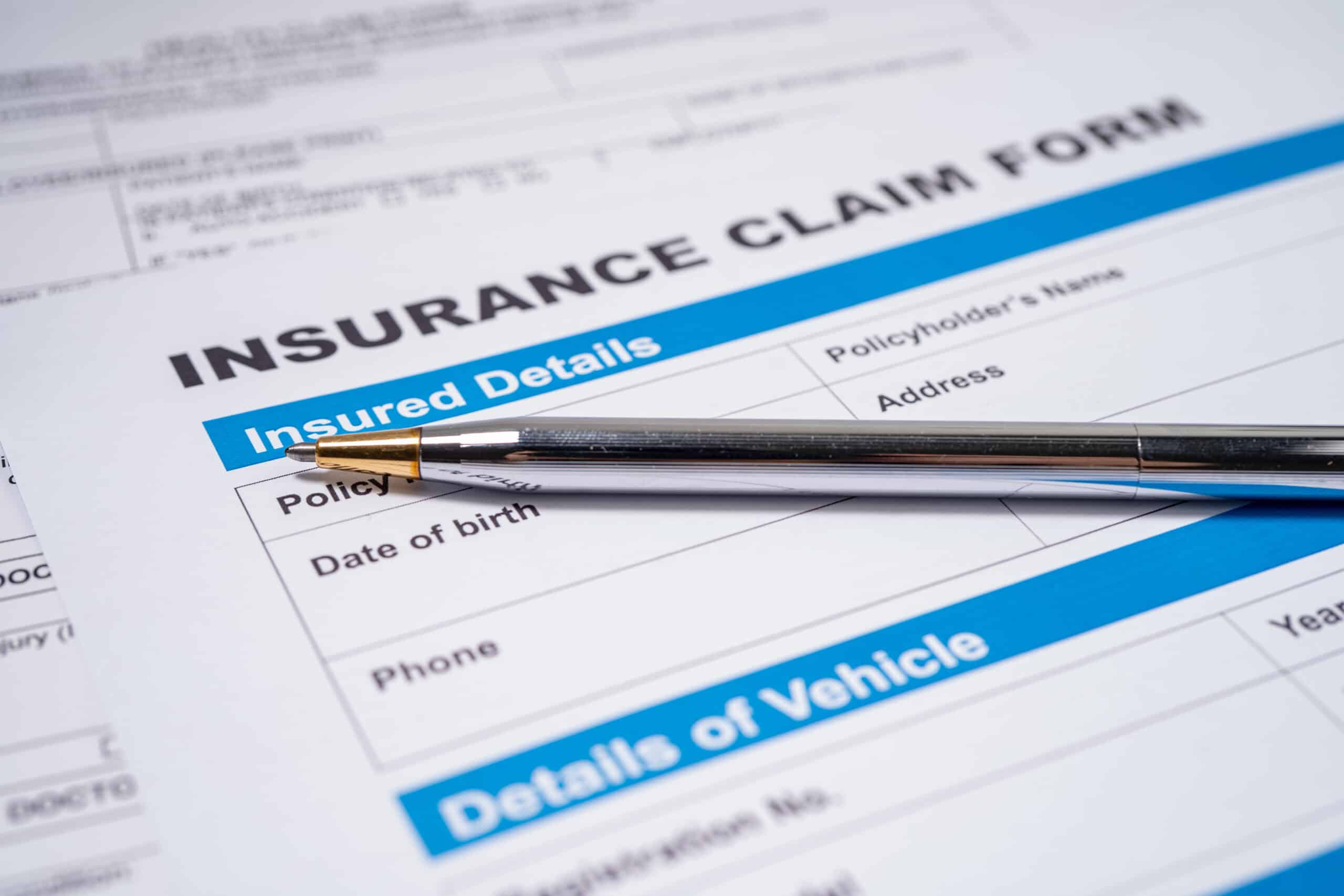
Hurricane season in South Florida brings powerful storms, heavy rainfall, and the potential for serious property damage. If your home has been impacted, knowing what to do after a hurricane in South Florida can make a major difference in how quickly and successfully your insurance claim is processed.
This guide walks you through the step-by-step process of filing a home insurance claim in Florida, helping you protect your property, avoid costly mistakes, and get the compensation you deserve.
Step 1: Ensure Safety Before Assessing Damage
Before anything else, make sure your home is safe to enter. After a hurricane, there may be hidden dangers such as:
- Downed power lines
- Structural damage
- Gas leaks
- Flooded electrical systems
If you suspect serious hazards, contact local authorities or a professional inspector before entering. Safety always comes first when dealing with hurricane damage in South Florida.
Step 2: Document All Damage Immediately
One of the most important parts of filing a homeowners insurance claim in Florida is proper documentation.
Take clear photos and videos of:
- Roof damage
- Broken windows and doors
- Water intrusion or flooding
- Damaged personal belongings
Be as detailed as possible. This evidence will support your claim and help prevent disputes with your insurance company. Many homeowners searching for “how to file hurricane insurance claim Florida” underestimate how critical documentation is—this step can significantly impact your payout.
Step 3: Contact Your Insurance Company Quickly
Time is critical when it comes to home insurance claims after a hurricane. Most insurance companies require prompt reporting.
When you contact your insurer:
- Provide your policy number
- Describe the damage clearly
- Ask about next steps and timelines
Delays can slow down your claim or even result in denial. If you’re unsure, working with a local agency like Choice One Insurance can help guide you through the process and ensure nothing is missed.
Step 4: Understand What Your Policy Covers
A major point of confusion in South Florida hurricane insurance claims is what’s actually covered.
Here’s a quick breakdown:
- Wind damage → Typically covered under standard homeowners insurance
- Flood damage → NOT covered (requires separate flood insurance policy)
- Hurricane deductible → Usually 1%–5% of your home’s insured value
Understanding this distinction is critical. Many claims are delayed or denied because homeowners assume flood damage is included when it is not.
Step 5: Prevent Further Damage (Mitigation)
After documenting everything, take reasonable steps to prevent further damage. This is known as mitigation, and it’s required under most policies.
Examples include:
- Tarping a damaged roof
- Removing standing water
- Boarding up broken windows
Keep all receipts for any emergency repairs. These costs are often reimbursable under your Florida homeowners insurance claim.
Step 6: Work With the Insurance Adjuster
Your insurance company will send an adjuster to inspect the damage. This is a key step in determining your payout.
To prepare:
- Have your documentation ready
- Be present during the inspection
- Point out all areas of damage
If you feel the estimate is too low, you can request a second opinion or hire a public adjuster. Many South Florida homeowners searching for “insurance adjuster hurricane claim Florida” don’t realize they can challenge initial estimates.
Step 7: Avoid Common Claim Mistakes
Filing a hurricane damage insurance claim in South Florida can be complex, and mistakes can cost you money.
Avoid these common errors:
- Waiting too long to file
- Throwing away damaged items before documentation
- Not understanding your deductible
- Accepting the first settlement without review
Being proactive and informed can make a significant difference in your final claim outcome.
Step 8: Know Your Additional Living Expenses (ALE) Coverage
If your home is uninhabitable, your policy may include Additional Living Expenses (ALE) coverage.
This can help pay for:
- Temporary housing
- Meals
- Transportation
South Florida hurricanes often lead to extended displacement, so understanding this coverage can provide major financial relief during recovery.
Final Thoughts: Be Prepared Before the Next Storm
Filing a home insurance claim after a hurricane in Florida doesn’t have to be overwhelming. By acting quickly, documenting everything, and understanding your policy, you can streamline the process and maximize your claim.
Preparation is key—not just after the storm, but before it. Reviewing your coverage annually and ensuring you have proper wind and flood protection can save you thousands.
Questions & Answers:
1. What should I do immediately after a hurricane damages my home?
After ensuring your safety, document all damage as soon as possible. Take clear photos and videos of affected areas, including the roof, interior, and personal belongings. Make temporary repairs (like covering broken windows) to prevent further damage, but keep receipts and avoid permanent fixes until your insurance adjuster reviews the property.
2. How do I file a home insurance claim in South Florida?
Contact your insurance company right away—either online, through their app, or by phone. Provide detailed information about the damage, including the date of the hurricane and a description of what occurred. The sooner you file, the faster your claim can be processed, especially after major storms when claim volumes are high.
3. What types of hurricane damage are typically covered by homeowners insurance?
Most homeowners insurance policies in South Florida cover wind damage, such as roof leaks or structural issues caused by strong winds. However, flood damage is usually not covered under standard policies and requires a separate flood insurance policy. Always review your policy to understand your specific coverage.
4. How long do I have to file a hurricane insurance claim in Florida?
In Florida, homeowners generally have up to one year from the date of the hurricane to file a claim (though it’s always best to file immediately). Delays can lead to complications, especially if additional damage occurs or documentation becomes harder to gather.
5. What can I do to ensure I get the maximum payout on my claim?
Keep thorough records of all damage, repairs, and communication with your insurer. Get multiple repair estimates if needed, and consider working with a public adjuster if the claim is complex. Being organized and proactive can significantly improve your chances of receiving a fair settlement.