Flood Insurance Questions Pinecrest Property Owners Should Ask
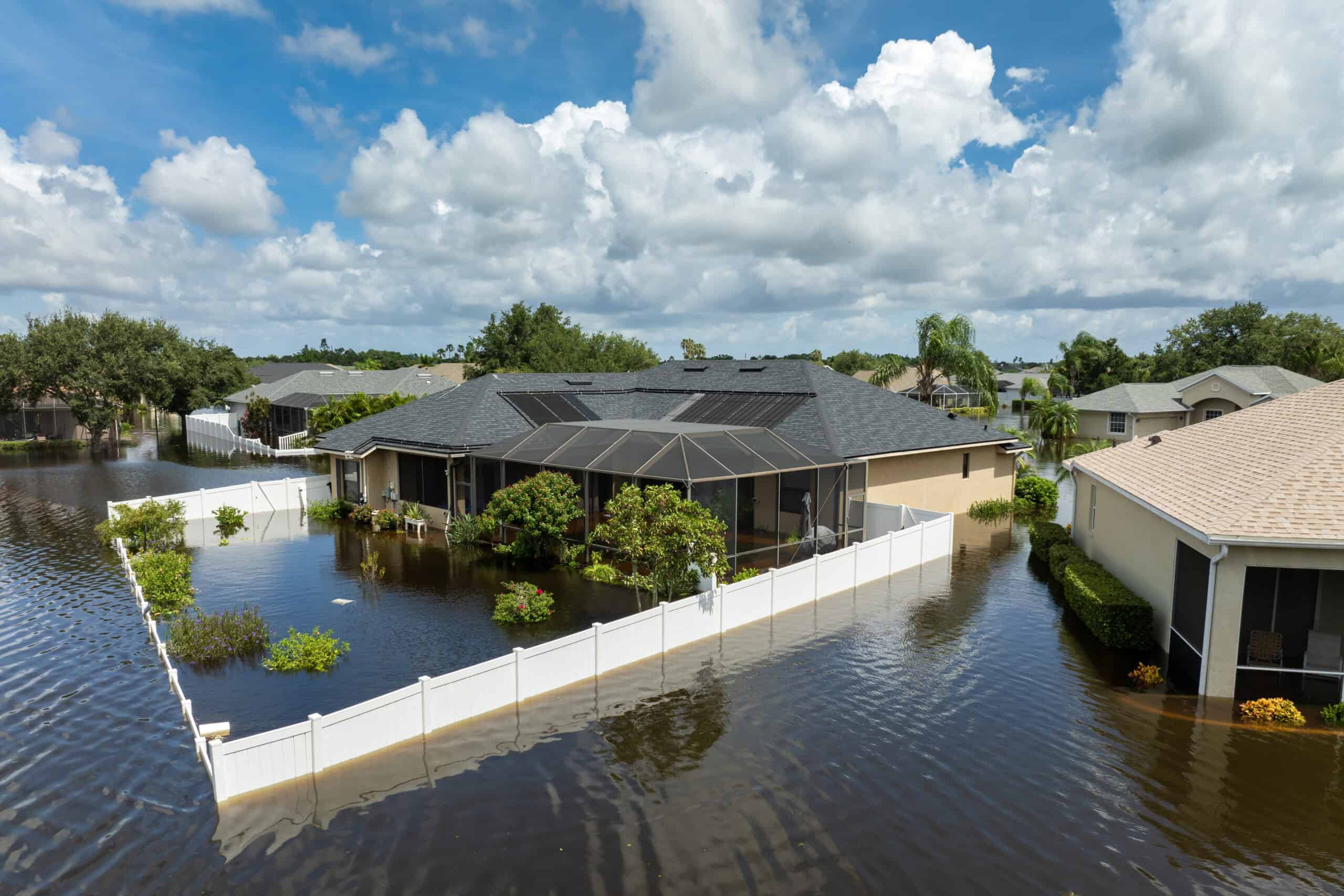
Flood insurance is one of the most important coverage topics for South Florida property owners. However, it is also one of the most misunderstood.
Many homeowners assume their homeowners insurance covers flood damage. In most cases, it does not. The Florida Office of Insurance Regulation states that most homeowners and business insurance policies do not cover flooding. Therefore, it encourages consumers to consider separate flood insurance coverage.
For Pinecrest property owners, this distinction is especially important. The area includes established residential neighborhoods, high-value homes, mature tree canopies, family households, and properties with different elevation, drainage, and stormwater conditions.
Furthermore, flood risk does not affect only beachfront properties. Heavy rainfall, tropical systems, drainage overflow, nearby canals, storm surge influence, and changing flood maps can all affect a property’s flood exposure.
That is why homeowners should not treat flood insurance as an afterthought. Instead, they should review it as part of a larger property protection plan.
Whether you own a home near North Pinecrest, are evaluating a property near Gables Estates, or simply want to review your current policy before renewal, asking the right flood insurance questions can help you better understand your risk, lender requirements, and coverage options.
Why Pinecrest Property Owners Should Talk About Flood Insurance
Pinecrest is not a coastal beach town, but it remains part of South Florida’s broader flood-risk environment. Flooding can occur from several sources.
In South Florida, property owners may need to consider:
- Heavy seasonal rain
- Tropical storms
- Hurricanes
- Poor drainage
- Street flooding
- Canal or waterway overflow
- Storm surge influence in nearby coastal areas
- Changes in flood maps
- Elevation differences between properties
- Landscaping and hardscape changes that affect runoff
FEMA states that floods can happen anywhere and that most homeowners insurance does not cover flood damage. Property owners generally purchase flood insurance separately. Depending on the policy and selected coverage, it can protect the building, contents, or both.
Therefore, instead of simply asking, “Am I in a flood zone?” consider asking, “What flood risks does this property face, and what coverage could help protect me if water enters the home?”
Question 1: Does My Homeowners Policy Cover Flood Damage?
Every property owner should start with this question.
A standard homeowners insurance policy may cover certain types of sudden and accidental water damage, including some plumbing-related losses, depending on the policy. However, flood damage is different.
Flood insurance generally addresses rising water or outside water entering the home, subject to the policy’s terms, exclusions, and limits.
Ask your agent:
- Does my homeowners policy cover flood damage?
- What types of water damage does my policy exclude?
- Do I have any water damage limitations or endorsements?
- Would my policy cover rising water entering my home?
- Do I need a separate flood insurance policy?
The Florida Department of Financial Services states that homeowners generally purchase flood coverage separately. However, some private homeowners insurance companies may offer flood coverage as an endorsement.
For Pinecrest property owners, this distinction matters. An insurer may handle a water claim caused by a broken pipe very differently from a claim caused by rising floodwater.
Question 2: What Flood Zone Is My Property In?
Your flood zone helps identify how flood maps classify your property’s risk. It can affect lender requirements, insurance decisions, and how you evaluate your overall exposure.
FEMA operates the Flood Map Service Center, where property owners can search official flood hazard maps by address. Miami-Dade County also advises property owners to confirm their official flood zone through county resources or an insurance agent.
Ask:
- What flood zone is my property currently in?
- Is my property in a Special Flood Hazard Area?
- Has my flood zone changed since I purchased the property?
- Does my lender require flood insurance?
- Does the flood zone match what my mortgage documents show?
- Should I review an elevation certificate if one is available?
Although flood zones provide important information, they do not tell the entire story. Properties outside high-risk mapped zones can still experience flooding.
Therefore, understanding flood risk involves more than simply identifying a property’s flood zone.
Question 3: Does My Lender Require Flood Insurance?
A lender may require flood insurance when a property sits within a Special Flood Hazard Area and the homeowner finances it through a federally regulated or insured lender.
FEMA’s mandatory purchase requirement generally applies when someone buys, builds, or improves property in an identified Special Flood Hazard Area within a participating community and uses financing from a regulated lending institution.
Ask:
- Is my property in a lender-required flood zone?
- Does my mortgage require flood insurance?
- What coverage amount does my lender require?
- Does my lender require me to escrow flood insurance?
- Would a flood map change affect my requirement?
- What happens if I allow my flood policy to lapse?
Even when your lender does not require flood insurance, you may still want to consider it. After all, lender requirements primarily protect the lender’s financial interest. Your personal coverage decision should also account for your own financial exposure.
Question 4: Should I Consider Flood Insurance If My Lender Does Not Require It?
Yes. Property owners should still consider flood insurance even when their lenders do not require it.
A lender requirement does not provide a complete risk assessment. Instead, it indicates that the property meets certain mapping and financing criteria.
A property outside a high-risk flood zone can still experience flooding from heavy rainfall, drainage problems, or severe storms. In South Florida, localized flooding can develop quickly, particularly during tropical weather or repeated heavy rain.
Ask:
- Could my property flood even if my lender does not require insurance?
- What would flood repairs cost me out of pocket?
- Could I afford to replace flooring, drywall, cabinets, furniture, and mechanical systems without insurance?
- Does my policy provide contents coverage for personal belongings?
- What is my actual tolerance for flood-related financial risk?
Ultimately, flood insurance often represents a financial planning decision rather than simply a mortgage requirement.
Question 5: What Does Flood Insurance Cover?
Flood insurance coverage depends on the policy type, insurance carrier, coverage limits, exclusions, and whether you select building coverage, contents coverage, or both.
In general, a flood insurance policy may help cover:
- Building structure
- Foundation elements
- Electrical systems
- Plumbing systems
- HVAC systems
- Appliances
- Flooring
- Certain built-in features
- Personal belongings when you select contents coverage
However, policies do not cover every item in the same way. Depending on the policy, insurers may limit or exclude coverage for basements, detached structures, outdoor property, temporary housing, landscaping, pools, and certain personal property.
Ask:
- Does the policy cover the building?
- Does the policy cover contents?
- Does the insurer value contents at replacement cost or actual cash value?
- Does the policy cover detached structures?
- Does it cover outdoor items?
- Does the policy include loss-of-use or temporary housing coverage?
- What exclusions apply?
These questions become especially important for high-value residential properties, where finishes, furnishings, mechanical systems, and personal property may exceed standard assumptions.
Question 6: What Are the Coverage Limits?
Coverage limits determine the maximum amount a policy may pay after a covered flood loss, subject to deductibles and other policy terms.
Ask:
- What is the building coverage limit?
- What is the contents coverage limit?
- Do these limits adequately protect my property?
- Does the policy apply separate limits to certain items?
- Does my lender require a specific minimum?
- Could private flood insurance provide higher limits than an NFIP policy?
- Can I purchase excess flood coverage?
Pinecrest homeowners with larger homes, custom finishes, or higher-value personal property should review coverage limits carefully.
A policy may satisfy a lender’s requirements without fully protecting the homeowner’s actual financial exposure.
Question 7: What Deductible Applies?
Flood insurance policies include deductibles. The deductible represents the amount the property owner pays out of pocket before insurance begins paying an eligible covered claim.
Ask:
- What deductible applies to building coverage?
- What deductible applies to contents coverage?
- Does the policy apply separate deductibles?
- Would increasing my deductible lower my premium?
- Could I afford the deductible after a flood?
- Does the deductible fit my household’s emergency savings?
A higher deductible may reduce your premium. However, it can also create a larger financial burden after a flood.
For that reason, property owners should compare deductible options carefully.
Question 8: Is There a Flood Insurance Waiting Period?
Flood insurance coverage usually does not begin immediately after purchase. Therefore, homeowners should understand applicable waiting periods, especially during hurricane season.
FloodSmart, FEMA’s National Flood Insurance Program consumer site, explains that flood insurance can have a waiting period before coverage takes effect. However, certain exceptions may apply depending on why you purchase the policy and your specific situation.
Ask:
- When does my coverage take effect?
- Does the policy have a 30-day waiting period?
- Do exceptions apply to loan closings, map changes, or lender requirements?
- If I purchase coverage today, will it protect me from a storm next week?
- Does a private flood policy have a different waiting period?
For this reason, property owners should not wait until a storm approaches before discussing flood insurance. At that point, coverage may not take effect in time.
Question 9: Should I Compare NFIP and Private Flood Insurance?
Many property owners can consider coverage through the National Flood Insurance Program or private flood insurance companies. Available options depend on underwriting, property details, coverage needs, and market availability.
Ask:
- Can I purchase NFIP coverage for my property?
- Can I purchase private flood insurance?
- Which option provides better coverage limits?
- Which option offers better contents coverage?
- Which option provides better deductible choices?
- Can I purchase excess flood coverage?
- How do the waiting periods differ?
- How does claims handling differ?
Private flood insurance may provide higher limits or additional features in some situations. However, availability and terms vary.
Meanwhile, NFIP coverage may work better for other property owners. The right choice depends on the property, lender requirements, risk profile, and coverage needs.
Question 10: Do I Need Contents Coverage?
Some property owners focus entirely on the building and overlook their personal property. Unfortunately, that mistake can become expensive after a flood.
Floodwater can damage:
- Furniture
- Clothing
- Electronics
- Rugs
- Appliances
- Stored items
- Home office equipment
- Personal belongings
Ask:
- Does my flood policy include contents coverage?
- What is my contents coverage limit?
- Does the insurer value contents at replacement cost or actual cash value?
- Does the policy limit coverage for valuables?
- Does the insurer treat belongings in lower-level areas differently?
- Should I document my belongings before a storm?
For Pinecrest families, contents coverage can provide important protection because flooding may damage much more than walls and flooring.
Question 11: How Does Elevation Affect Flood Insurance?
Elevation can influence both flood risk and insurance pricing. For example, a structure built higher relative to the mapped flood elevation may present a different risk profile than a lower-lying structure.
Ask:
- Is an elevation certificate available?
- Could an elevation certificate help with underwriting?
- What is the property’s base flood elevation?
- Has anyone improved or elevated the property?
- Are the mechanical systems elevated?
- Does the property have flood vents or other mitigation features?
Not every property requires the same documentation. Nevertheless, elevation information can help homeowners compare flood insurance options and better understand their risk.
Question 12: Has My Flood Risk Changed?
Flood risk can change over time. Development, drainage changes, updated flood maps, severe weather patterns, and property modifications can all affect a home’s flood exposure.
Ask:
- Has my flood zone changed?
- Has nearby development affected drainage?
- Have I added hardscaping that changes water runoff?
- Have recent storms caused street flooding nearby?
- Has my lender issued a new flood determination?
- Should I review my coverage before renewal?
Property owners should not treat a flood insurance review as a one-time event. Instead, they should make it part of ongoing property risk management.
Why Work With Choice One Insurance?
Flood insurance can become confusing because property owners must consider flood zones, policy limits, lender rules, waiting periods, private market options, NFIP coverage, deductibles, and exclusions.
Choice One Insurance helps South Florida property owners ask important questions before they need to file a claim.
For Pinecrest homeowners, this means evaluating flood risk in the context of the property, neighborhood, mortgage, and owner’s financial exposure.
A Local Insurance Agency Can Help You:
- Review whether your homeowners policy excludes flood damage
- Check flood zone and lender requirement questions
- Compare NFIP and private flood options where available
- Review building and contents limits
- Understand deductibles and waiting periods
- Determine whether you may need excess flood coverage
- Discuss how flood insurance works alongside homeowners and umbrella coverage
The goal is not to create fear. Instead, the goal is to help property owners understand what their insurance covers, what it excludes, and which questions they should answer before a storm or flood occurs.
Final Flood Insurance Checklist for Pinecrest Property Owners
Before choosing or renewing flood insurance, ask:
- Does my homeowners policy exclude flood damage?
- What flood zone is my property in?
- Does my lender require flood insurance?
- Should I consider flood insurance even if my lender does not require it?
- Does the policy cover the building, contents, or both?
- Are my coverage limits sufficient?
- What deductible applies?
- Does the policy have a waiting period?
- Should I compare NFIP and private flood options?
- Do I need contents coverage?
- Could an elevation certificate help?
- Has my flood risk changed?
- Do I need excess flood coverage?
- Does the policy adequately reflect the value of my property?
If you own property in Pinecrest and want help reviewing flood insurance options, Choice One Insurance can explain available coverage, identify important questions, and help you make a more informed decision.
Frequently Asked Questions About Flood Insurance in Pinecrest
Does Homeowners Insurance Cover Flood Damage in Pinecrest?
Most homeowners insurance policies do not cover flooding. Homeowners generally purchase flood insurance separately, although some private carriers may offer flood coverage through an endorsement.
Therefore, Pinecrest property owners should review their policies carefully rather than assume their homeowners insurance covers flood damage.
How Do I Find My Florida Flood Insurance Zone?
Property owners can use FEMA’s Flood Map Service Center to search flood hazard maps by address.
Miami-Dade County also advises property owners to confirm their official flood zone through county resources or an insurance agent.
Is Flood Insurance Required in Pinecrest?
A lender may require flood insurance when a property sits in a Special Flood Hazard Area and the homeowner has a mortgage through a federally regulated or insured lender.
Even when a lender does not require coverage, property owners may still want flood insurance based on local flood exposure and their potential financial risk.
Can a Pinecrest Home Flood Outside a High-Risk Flood Zone?
Yes. Heavy rainfall, drainage problems, tropical storms, hurricanes, and localized runoff can cause flooding outside high-risk mapped zones.
Therefore, flood zone status provides important information, but it does not represent the only measure of flood risk.
Is There a Waiting Period for Flood Insurance?
Flood insurance often includes a waiting period before coverage takes effect. However, exceptions can apply in certain situations, including some loan closings or map changes.
Property owners should always ask exactly when their coverage begins rather than assume they have immediate protection.
Should High-Value Pinecrest Homes Consider Private Flood Insurance?
Owners of high-value homes may want to compare NFIP coverage, private flood insurance, and excess flood options because basic coverage limits may not match the property’s full financial exposure.
The appropriate coverage structure depends on the home, lender requirements, available insurance markets, and the owner’s coverage needs.
What Should Property Owners Near Gables Estates or North Pinecrest Review?
Property owners near Gables Estates or North Pinecrest should review their flood zone, property elevation, drainage exposure, lender requirements, coverage limits, deductibles, contents coverage, and available private or excess flood options.
Can Choice One Insurance Help With Flood Insurance in Pinecrest?
Yes. Choice One Insurance can help Pinecrest property owners review flood insurance questions, compare available coverage options, understand lender requirements, and evaluate building and contents protection before choosing or renewing a policy.
Visit Our Other Interesting Pages
Auto insurance
Homeowners insurance
Car insurance inflation costs in Miami, Palmetto Bay & South Miami
Choice One Insurance
Affordable auto insurance in South Miami Heights