What Homeowners in Cutler Bay Should Review Before Renewal

Homeowners insurance is not something most people review every month. Many homeowners buy a policy, place the documents in a folder, and only think about it again when the renewal notice arrives. However, in South Florida, especially in areas like Cutler Bay, renewing without a careful review can leave important gaps in coverage.
Over time, your home may have changed. Perhaps your roof is older, or your replacement cost no longer matches today’s rebuilding costs. In addition, your deductible may be higher than you remember. Mortgage lender requirements can change as well, while your flood exposure may be different from what you assumed when you first bought the home.
That is why a homeowners insurance renewal should not be treated as a simple bill to pay. Instead, consider it a yearly coverage checkup.
For homeowners in Cutler Bay, the renewal period is one of the best times to ask questions, compare options, and make sure the policy still fits the property, household, and financial risk.
Why Renewal Reviews Matter in Florida
Florida homeowners face a different insurance environment than homeowners in many other states. Wind exposure, hurricane risk, roof age, water damage concerns, flood risk, and carrier underwriting rules can all affect coverage availability and pricing.
The Florida Office of Insurance Regulation provides a CHOICES rate comparison tool to help consumers compare rate information across several insurance types, including homeowners insurance. This resource reinforces the value of shopping and reviewing coverage before renewal.
Renewal time is also when homeowners may see changes in premiums, deductibles, endorsements, exclusions, credits, or eligibility. Consequently, a policy that worked last year may not be the best fit this year.
For Cutler Bay homeowners, this is especially important because the area includes established neighborhoods, newer residential communities, coastal-adjacent exposure, and homes with different construction ages and roof conditions. For example, a home near Saga Bay may have different considerations than a home near Lakes by the Bay. Even within the same city, two homes can have very different insurance needs.
1. Review Your Dwelling Coverage Limit
The dwelling coverage limit is the amount of insurance assigned to rebuild or repair the structure of your home after a covered loss. As a result, it is one of the most important parts of your homeowners policy.
Some homeowners assume this number should match the market value of the home. However, that is not always the right approach. Market value includes land, location, buyer demand, and other real estate factors. Dwelling coverage, by comparison, focuses more on what it could cost to rebuild the structure.
Before renewal, ask:
- Does my dwelling limit reflect current rebuilding costs?
- Have construction costs changed since my last renewal?
- Did I complete any renovations, additions, or upgrades?
- Would my policy limit be enough if the home had major covered damage?
Having a policy limit that is too low could leave you underinsured. On the other hand, an excessively high limit may mean you are paying for coverage that does not accurately match your needs. A proper review helps bring the number closer to the real risk.
2. Check Your Hurricane Deductible
Florida homeowners should pay close attention to their hurricane deductible. Unlike a standard all-other-perils deductible, this deductible may be calculated differently.
The Florida Department of Financial Services explains that insurance companies must offer hurricane deductible options of $500, 2%, 5%, or 10% of the policy dwelling or structure limits, with some exceptions. The deductible must also be listed as a dollar amount, even when shown as a percentage.
Understanding the actual dollar amount matters because a percentage deductible can be much larger than it initially appears.
For example, if your home has a $500,000 dwelling limit and your hurricane deductible is 2%, your hurricane deductible would be $10,000. Increasing the deductible to 5% would raise that amount to $25,000.
As you review the policy, ask:
- What is my hurricane deductible?
- What dollar amount does that percentage equal?
- Do I have enough emergency savings to handle that deductible?
- Would a different deductible option make sense for my situation?
Choosing a lower deductible may increase the premium. Conversely, a higher deductible may reduce the premium while increasing your out-of-pocket exposure after a storm. Ultimately, the right answer depends on your home, budget, and comfort with risk.
3. Confirm Your Roof Information
Roof details are a major part of Florida homeowners insurance underwriting. Carriers may consider the age, shape, material, condition, permits, and inspection history of the roof.
During your renewal review, check that your policy and carrier records reflect accurate roof information.
Consider asking:
- What roof year is listed on my policy?
- Is the roof material correct?
- Has the roof been updated or repaired?
- Do I have permits or documentation for roof work?
- Would a roof inspection or wind mitigation inspection help?
Outdated or incomplete roof information may affect eligibility, pricing, or available discounts. This can be especially important for a Cutler Bay homeowner because South Florida homes must be evaluated with wind and hurricane exposure in mind.
4. Review Wind Mitigation Credits
A wind mitigation inspection can identify features that may help reduce wind damage risk. Examples include roof deck attachment, roof shape, roof covering, secondary water resistance, opening protection, and other construction details.
Homes with qualifying features may be eligible for credits. Additionally, if you completed improvements since your last renewal, your current policy may not reflect them.
During the renewal process, consider these questions:
- Do I have a current wind mitigation report?
- Is the report still valid?
- Have I made upgrades that could qualify for credits?
- Are all eligible credits being applied?
Many homeowners do not realize that small documentation issues can affect insurance pricing. Therefore, a local insurance agent can help review whether your current policy reflects available credits.
5. Do Not Assume Flood Is Included
One of the most important renewal questions is whether you have flood insurance.
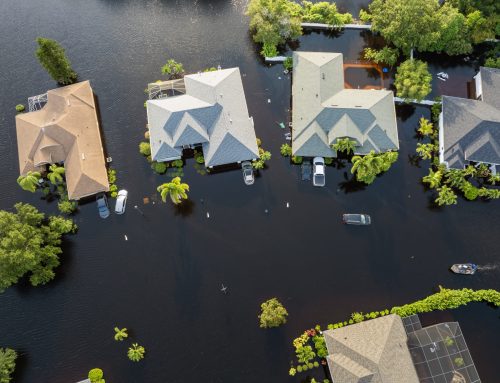
A common misconception is that flood damage is automatically included in a homeowners policy. In most cases, it is not. The Florida Office of Insurance Regulation states that most homeowners and business insurance policies do not cover flooding and encourages consumers to consider flood insurance coverage.
This distinction is especially important in South Florida, where heavy rain, storm surge, drainage issues, and tropical weather can create water-related risks.
When evaluating your flood protection, ask:
- Do I have flood insurance?
- Is my lender requiring flood coverage?
- Am I outside a required flood zone but still exposed to flood risk?
- What would happen if my home had rising water damage?
- Should I review private flood insurance options or National Flood Insurance Program options?
For homeowners in Cutler Bay, this conversation remains important even if the home is not directly on the water. Neighborhood drainage, elevation, storm systems, and surrounding development can all affect flood exposure.
6. Review Personal Property Coverage
Your homeowners policy does more than protect the structure. Depending on its terms, it may also provide coverage for personal belongings, subject to policy limits, deductibles, and exclusions.
Personal property often changes over time. For instance, you may have purchased new furniture, electronics, jewelry, tools, art, or home office equipment. Certain valuable items may also need special limits or scheduled coverage.
Consider asking:
- Is my personal property limit enough?
- Do I understand how my belongings are valued after a loss?
- Do I have replacement cost coverage or actual cash value coverage?
- Are jewelry, collectibles, firearms, tools, or electronics limited?
- Should I schedule any high-value items separately?
Unfortunately, many homeowners only discover personal property limits after a claim. Renewal provides a better opportunity to identify these issues in advance.
7. Review Liability Coverage
Homeowners insurance usually includes personal liability coverage. This protection can help if someone claims you are legally responsible for injury or property damage.
Liability exposure can also change over time. Perhaps you added a pool, trampoline, dog, rental exposure, home business activity, or began having frequent guests. Each of these details can matter.
As part of your review, ask:
- What is my liability limit?
- Is the limit enough for my household?
- Do I need umbrella insurance?
- Are there exclusions I should know about?
- Have I added anything that increases risk?
For some households, a homeowners policy may not provide enough liability protection by itself. In those situations, umbrella insurance can add another layer of coverage above certain underlying policies.
8. Review Loss of Use Coverage
Loss of use coverage may help with additional living expenses if your home becomes unlivable due to a covered claim. Depending on your policy, this could include temporary housing, increased food costs, or other qualified expenses.
Major storm damage can make repairs take longer in South Florida, especially after widespread events. Consequently, loss of use coverage deserves careful consideration.
Important questions include:
- What is my loss of use limit?
- How long could it support temporary housing?
- Are there time limits or dollar limits?
- Does the coverage match local rental costs?
Even a policy that appears strong on the surface could have a loss of use limit that does not match real-world expenses.
9. Confirm Discounts and Policy Credits
Insurance carriers may offer credits for certain protective features or policy choices. Depending on the insurer, these may include wind mitigation features, monitored alarms, water detection devices, newer roofs, claims-free history, bundling, or other underwriting factors.
During your renewal review, ask:
- Are all available discounts applied?
- Have I added security, water, or smart home systems?
- Would bundling home and auto help?
- Did my claims history change?
- Did the carrier update its discount options?
Remember, a renewal review is not only about finding problems. It is also an opportunity to make sure you are not overlooking potential savings or policy credits.
10. Compare More Than the Premium
Premium matters, but it should not be the only factor. A cheaper policy is not necessarily better if it comes with weaker coverage, higher deductibles, lower limits, or more restrictive endorsements.
When reviewing homeowners insurance in Cutler Bay, compare:
- Dwelling limit
- Hurricane deductible
- All-other-perils deductible
- Water damage coverage
- Roof settlement terms
- Personal property coverage
- Loss of use coverage
- Liability limit
- Flood availability
- Carrier strength and service
- Claims process
- Available endorsements
Ultimately, the goal is not simply to find a policy. Instead, homeowners should look for coverage that makes sense before a loss happens.
Why Work With a Local Insurance Agency?
A local agency can help homeowners compare options, explain policy differences, and identify coverage questions that may be easy to overlook.
Choice One Insurance understands the needs of South Florida homeowners. For Cutler Bay residents, that means reviewing coverage with local conditions in mind, including hurricane exposure, flood concerns, roof requirements, and changing household needs.
Rather than making assumptions about your existing policy, a renewal review gives you an opportunity to ask questions before the policy renews.
Final Renewal Checklist for Cutler Bay Homeowners
Before renewing your homeowners insurance, review:
- Dwelling coverage limit
- Hurricane deductible
- Roof information
- Wind mitigation credits
- Flood insurance needs
- Personal property limits
- Liability coverage
- Loss of use coverage
- Discounts and credits
- Policy exclusions
- Water damage limitations
- Carrier options
Give Yourself Time Before Renewal
If your policy is renewing soon, do not wait until the final week. Giving yourself enough time allows you to compare options, ask questions, gather documentation, and make updates if needed.
Choice One Insurance can help homeowners in Cutler Bay review their current coverage, compare available options, and better understand what their policy does and does not cover.
Frequently Asked Questions
When should I review my homeowners insurance before renewal?
You should review your homeowners insurance as soon as you receive your renewal information. Waiting until the last few days can limit your ability to compare options, update documents, or ask questions about coverage changes.
Is homeowners insurance in Cutler Bay different from other parts of Florida?
The policy structure may be similar, but local risk factors can vary. In particular, Cutler Bay homeowners may need to pay close attention to hurricane exposure, flood risk, roof condition, wind mitigation credits, and the cost to rebuild in South Florida.
Does homeowners insurance cover flooding?
Most homeowners insurance policies do not cover flooding. Instead, flood insurance is usually separate. Homeowners in areas such as Saga Bay or Lakes by the Bay should review flood exposure even if coverage is not required by a lender.
What is the difference between a hurricane deductible and a regular deductible?
A regular deductible may apply to many covered claims, while a hurricane deductible applies to covered hurricane-related claims. In Florida, hurricane deductibles are often shown as a percentage of the dwelling limit, which can equal a large dollar amount.
Should I update my policy after home improvements?
Yes. After completing renovations, adding square footage, replacing your roof, upgrading windows, installing storm protection, or improving security systems, you should review your policy. These changes may affect coverage needs or available credits.
Can Choice One Insurance help compare homeowners insurance options?
Yes. Choice One Insurance can help homeowners review their current policy, compare available options, explain deductibles, review coverage questions, and identify potential gaps before renewal.
Should I only choose the lowest homeowners insurance premium?
No. Although a lower premium may look attractive, it could come with higher deductibles, lower limits, fewer endorsements, or additional restrictions. Therefore, homeowners should compare both price and coverage before making a decision.
What documents should I have ready for a homeowners insurance review?
Helpful documents may include your current policy, renewal notice, mortgage information, roof permits, wind mitigation report, four-point inspection, flood elevation information if available, and records of recent home improvements.
Visit Our Other Interesting Pages